Pelvic Floor Physiotherapy in Brampton: What to Expect

Pelvic floor physiotherapy in Brampton may include a private assessment, consent-based care and a plan based on your symptoms, goals and preferences.
Pelvic Floor Physiotherapy in Brampton: What to Expect
Pelvic floor physiotherapy in Brampton can help you understand concerns such as bladder or bowel leakage, pelvic pain, pressure, or recovery after pregnancy or surgery. An assessment looks at your symptoms, movement, goals and preferences, then a physiotherapist discusses options rather than giving everyone the same exercise plan.

Published by Next Step Physio & Rehab Clinic · Published November 17, 2026
What does the pelvic floor do?
The pelvic floor is a group of muscles and supportive tissues at the base of the pelvis. It helps support pelvic organs and contributes to bladder and bowel control. Pelvic floor disorders can include incontinence, pelvic organ prolapse and pelvic pain, and they can affect people across the lifespan.https://www.physiotherapy.ca/app/uploads/2025/05/Pelvic-Health-Briefing-Note-_EN_FINAL.pdf[1]
Symptoms may include leaking urine or stool, sudden urgency, a feeling of pressure or heaviness, discomfort with intimacy, or pain in the pelvis. These symptoms can have different causes, so an online article cannot tell you which condition you have.
What happens during pelvic floor physiotherapy in Brampton?
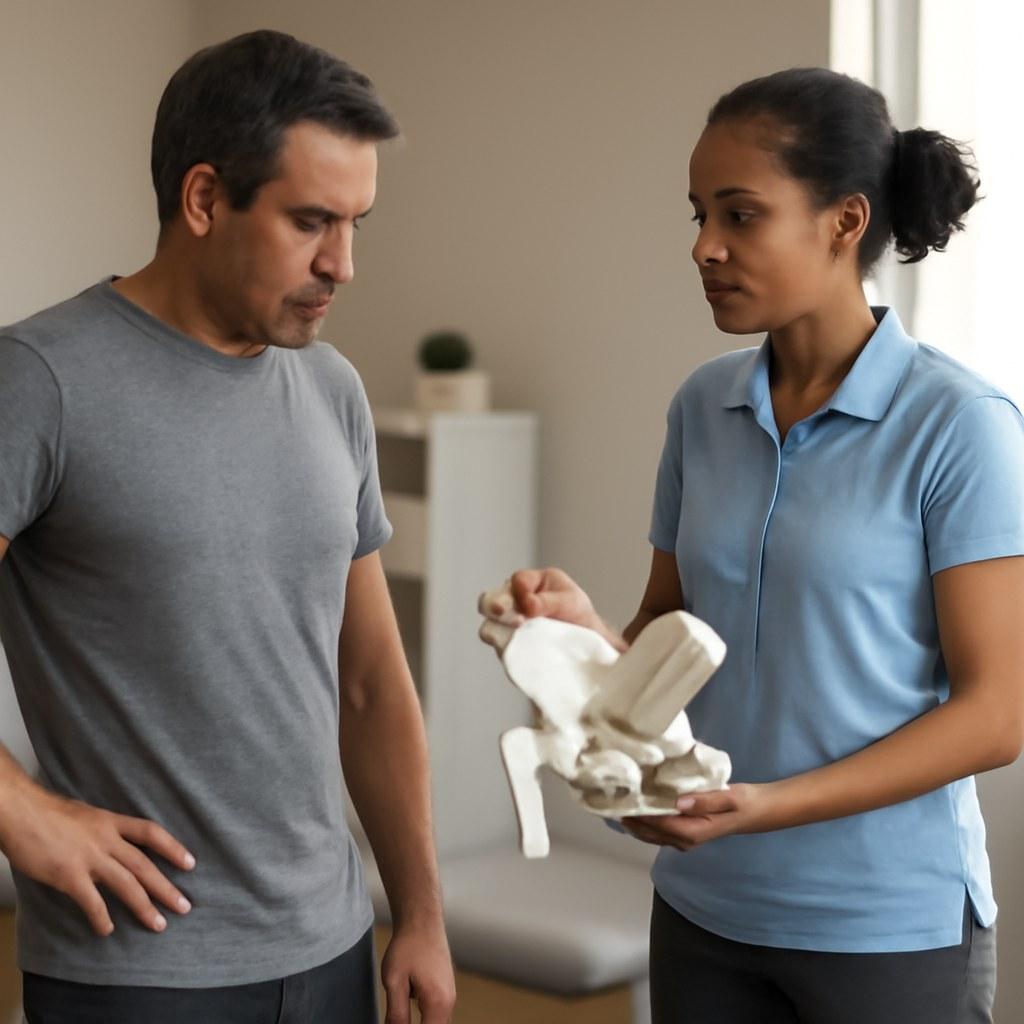
A pelvic floor physiotherapy assessment usually starts with a private conversation about your symptoms, medical history, pregnancy or surgery history where relevant, daily activities and goals. The physiotherapist may then discuss movement, breathing, abdominal and hip function, and pelvic floor coordination. An internal assessment is not automatic; it should be explained clearly and considered only with your informed consent. The College of Physiotherapists of Ontario says patients must understand the proposed assessment or treatment and can refuse or withdraw consent at any time.https://collegept.org/resource/consent[3]
Next Step describes its pelvic floor rehabilitation process as a detailed history and physical examination, with an internal assessment only if needed and with consent. The clinic also lists a private treatment room, confidential conversation and practical home exercises as parts of the service.https://www.nextstepphysioandrehab.com/services/pelvic-floor-rehabilitation[4]
Does pelvic floor physiotherapy always mean strengthening?
No. Some people need help building strength and endurance, while others may need to improve relaxation, coordination or tolerance of movement. The right focus depends on the assessment. A pelvic floor exercise that is useful for one person may be uncomfortable or poorly matched for another.
For urinary incontinence, the American College of Obstetricians and Gynecologists describes pelvic muscle exercises, bladder training and physical therapy as possible non-surgical treatment options. It also notes that biofeedback may help some people locate the correct muscles.https://acog.org/patients/faqs/urinary-incontinence[2] This does not mean that every symptom is caused by weak muscles or that one exercise will work for everyone.
What might a treatment plan include?
Depending on your assessment, a plan may include education, breathing and relaxation practice, pelvic floor contractions, coordination work, gradual strengthening, bladder or bowel strategies, scar-related care, or a graded return to lifting and exercise. Your physiotherapist may review how the plan fits with work, childcare, walking around Brampton, sport and sleep.
Next Step’s broader physiotherapy service describes assessment, education, exercise therapy and progress reviews as possible parts of care. The clinic’s pelvic floor service also states that treatment is built around symptoms, lifestyle and recovery goals.https://www.nextstepphysioandrehab.com/services/physiotherapy[5]
When should you speak with another healthcare professional?
Pelvic symptoms deserve an appropriate assessment, especially when they are new, severe, rapidly changing or affecting daily life. A physiotherapist may recommend medical follow-up or referral when your symptoms need another type of evaluation. Do not delay urgent care for severe pain, heavy bleeding, fever, fainting, new neurological symptoms, or a sudden inability to pass urine or stool.
Frequently asked questions
Do I need a referral for pelvic floor physiotherapy?
Referral requirements can depend on the service and your circumstances. Next Step’s appointment page says no doctor’s referral is needed for its clinic appointments, but you can contact the clinic if you are unsure whether an assessment is appropriate.https://www.nextstepphysioandrehab.com/book-appointment[6]
Can I say no to an internal assessment?
Yes. An internal assessment should be explained and consented to. You can ask questions, decline it or withdraw consent. The assessment can be discussed again later if you choose.
Is pelvic floor physiotherapy only for people after childbirth?
No. Pelvic floor concerns can affect people for different reasons, including pregnancy, surgery, persistent constipation, pelvic pain or changes in bladder and bowel control. An assessment helps determine whether physiotherapy is suitable for your situation.
Discuss pelvic floor physiotherapy in Brampton
Next Step Physio & Rehab Clinic is at 9886 Torbram Rd, Unit 109, Brampton, ON L6S 3L9. You can read about https://www.nextstepphysioandrehab.com/services/pelvic-floor-rehabilitation or request an appointment through https://www.nextstepphysioandrehab.com/book-appointment. You can also call +1 (647) 872-8105 or use the clinic’s https://www.nextstepphysioandrehab.com/contact page.https://www.nextstepphysioandrehab.com/contact[7]
This article provides general health education and is not medical advice, an individual diagnosis or a treatment plan. Speak with a qualified healthcare professional about your symptoms. Seek urgent care for severe or rapidly changing symptoms.
Sources
- https://www.physiotherapy.ca/app/uploads/2025/05/Pelvic-Health-Briefing-Note-_EN_FINAL.pdf
- https://acog.org/patients/faqs/urinary-incontinence
- https://collegept.org/resource/consent
- https://www.nextstepphysioandrehab.com/services/pelvic-floor-rehabilitation
- https://www.nextstepphysioandrehab.com/services/physiotherapy
- https://www.nextstepphysioandrehab.com/book-appointment
- https://www.nextstepphysioandrehab.com/contact
This article is for general education only and is not a substitute for individual medical advice. Please speak with a qualified healthcare professional about your situation.