Physiotherapy for Concussion Recovery in Brampton

A concussion is a type of brain injury that can change how a person thinks and feels, and symptoms may appear immediately or hours or days after the injury. Medical assessment comes first; physiotherapy may support recovery after referral, but it does not diagnose concussion or provide medical clearance in Ontario.
A concussion is a type of brain injury that can change how a person thinks and feels, and symptoms may appear immediately or hours or days after the injury.[1] Medical assessment comes first; physiotherapy may support recovery after referral, but it does not diagnose concussion or provide medical clearance in Ontario.[1][2]
What should you know about concussion recovery?
A concussion can happen after a hit to the head, neck, face or body that makes the brain move inside the skull. Symptoms can involve the body, thinking, emotions or sleep, and a routine CT, MRI or X-ray may not show the injury.[1]
What can contribute to concussion recovery?
A concussion may follow a blow, jolt or fall, and symptoms and recovery can vary between people.[1] Previous concussion, other health factors and the particular injury may be relevant to recovery, but they do not allow a diagnosis or timeline to be assumed for one person.[1][2]
What does a first physiotherapy assessment look at?
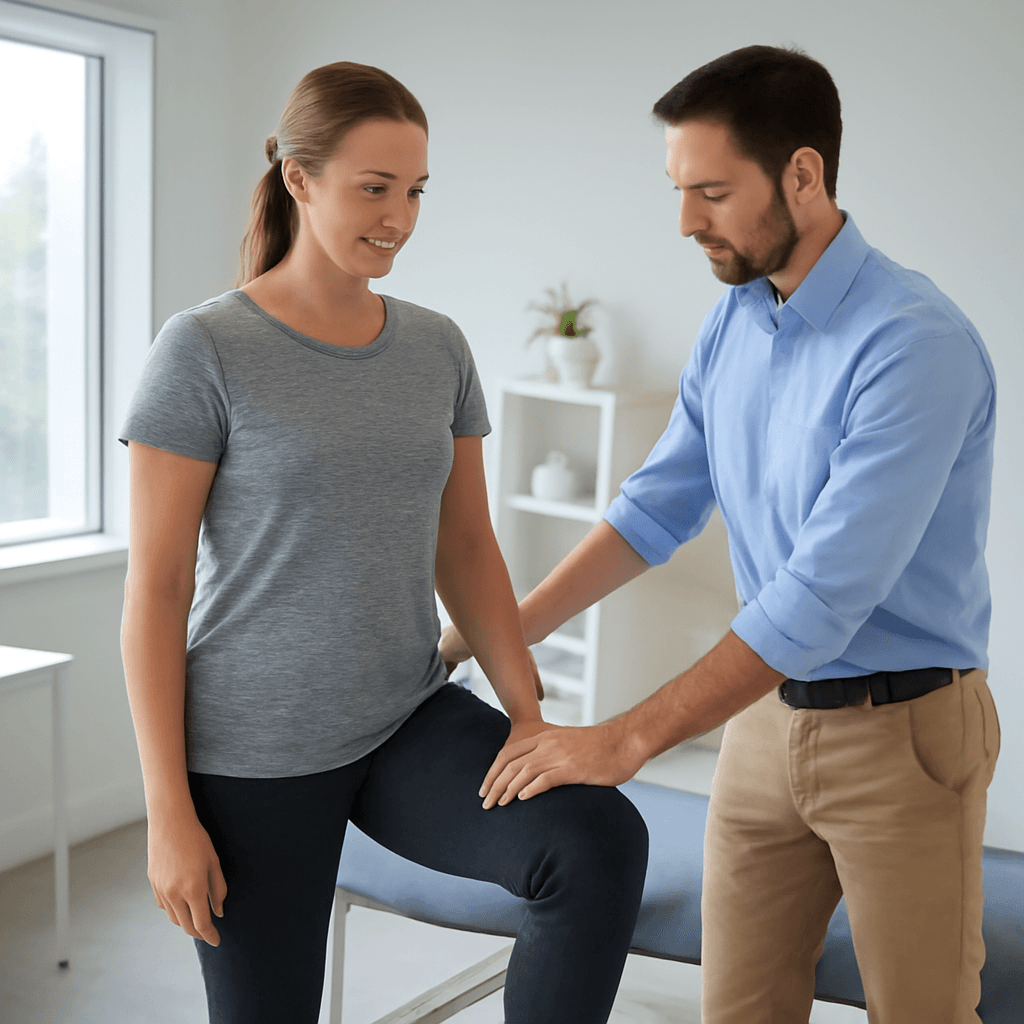
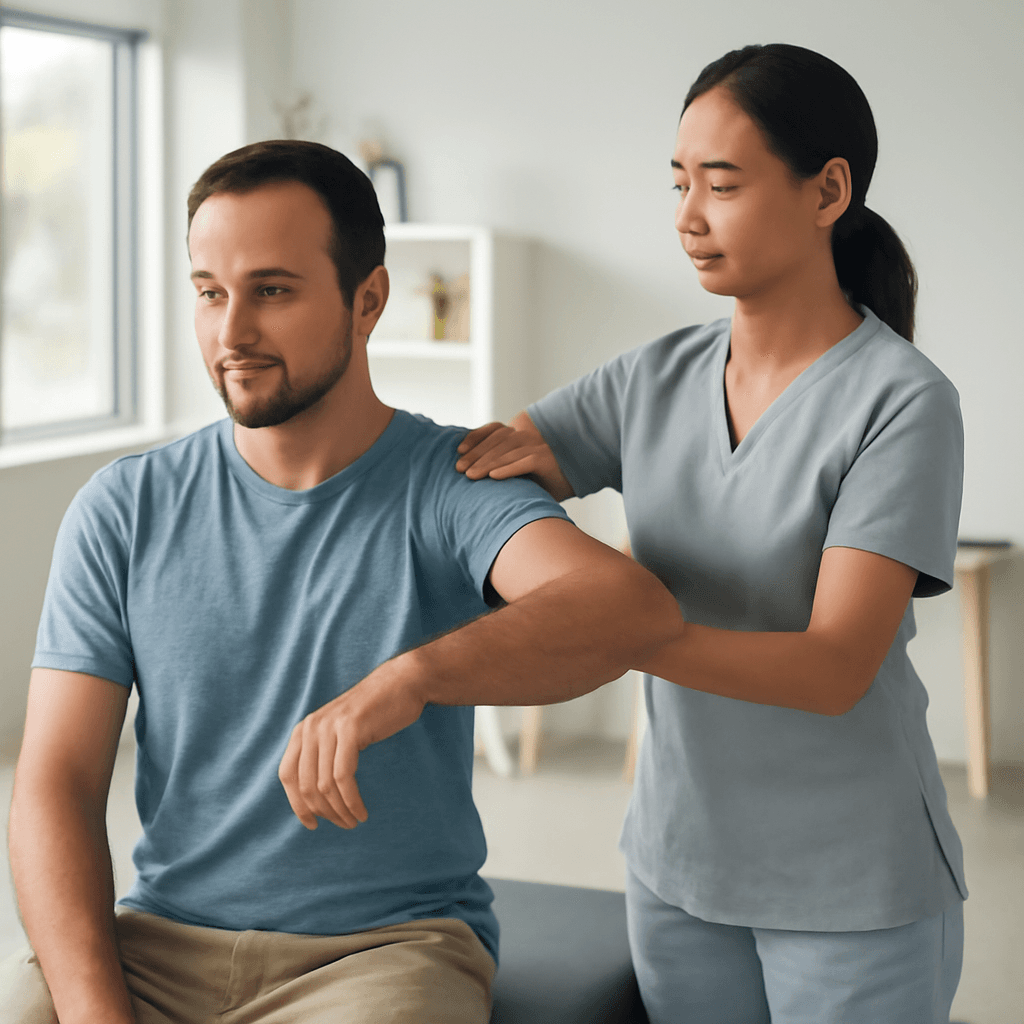
A physiotherapist should work after medical assessment and within the treating team’s plan. A physiotherapy assessment may consider symptoms, tolerance for physical and cognitive activity, balance, movement, neck or musculoskeletal findings and functional goals, then communicate concerns or refer onward; in Ontario, physicians or nurse practitioners make the medical clearance decision for return to work, school, sport or recreation.[2]
How may physiotherapy help with concussion recovery?
At Next Step Physio & Rehab Clinic, physiotherapy starts with an assessment. Depending on your findings, care may include:
- After medical assessment or referral, a physiotherapist may help plan symptom-limited physical activity and gradual progression, stopping or stepping back if symptoms become more than mildly and briefly worse.[1][2]
- Care may address balance, movement, neck-related or other musculoskeletal symptoms identified within physiotherapy scope, with referral when symptoms suggest another medical issue.[2]
- Education may cover pacing, breaks, sleep routines, symptom monitoring and coordination with school, work, sport and the medical provider.[1][2]
- A graded return-to-activity plan may be adjusted to current tolerance; progression does not replace medical assessment or the clearance required for higher-risk activity.[2]
- Physiotherapy may communicate with other health professionals when concussion symptoms overlap with vestibular, visual, headache, cognitive, emotional or sleep concerns.[1][2]
See our physiotherapy service page for more about how we work.
Self-care and everyday guidance
- If you suspect a concussion, stop the activity and seek medical help; have someone observe you because symptoms can develop later.[1]
- Follow the medical provider’s plan for gradual return to daily, school, work and physical activity, and reduce or pause an activity if symptoms worsen.[1][2]
- Use pacing, breaks, sleep and gradual exposure to activity as advised; avoid activities with a risk of another head impact until medically cleared.[1][2]
- Do not drive, return to sport or change prescribed medication based only on a physiotherapy visit; discuss those decisions with the appropriate medical provider.[1][2]
When to seek urgent or medical care
- Call 911 or seek emergency care for loss of consciousness, a seizure or convulsion, repeated vomiting, severe or worsening headache, or weakness, tingling or burning in an arm or leg.[1]
- Seek emergency care for neck pain, double vision or a person who is difficult to wake or whose condition is becoming more confused or unusual.[1][2]
- Do not continue sport or other activity after a suspected concussion while waiting for assessment, even if symptoms seem mild or the person feels ready to continue.[1][2][3]
- If symptoms do not improve or worsen during recovery, return to the physician or nurse practitioner for reassessment rather than progressing the activity plan independently.[2]
Frequently asked questions
Can physiotherapy diagnose a concussion?
No. In Ontario, medical assessment comes first, and concussion diagnosis and medical clearance are handled by the regulated professionals identified by the provincial guidance. Physiotherapy may support symptoms and function after referral.[1][2]
What might physiotherapy include after concussion clearance or referral?
Depending on the assessment and medical plan, it may include education, pacing, symptom-limited exercise, balance or movement work, and gradual return-to-activity planning. It should be coordinated with the medical provider and adjusted to symptoms.[1][2]
When can I return to sport after a concussion?
Return should follow a gradual, medically supervised process. Activities with a risk of head impact require medical clearance in Ontario, and worsening symptoms should prompt stopping and medical reassessment.[2]
Book an assessment in Brampton
Next Step Physio & Rehab Clinic is at 9886 Torbram Rd Unit 109, Brampton, ON L6S 3L9. We are open Monday to Friday 11 AM to 7 PM and Saturday 10 AM to 2 PM, and direct billing is available with many insurers. No doctor's referral is needed to book physiotherapy.
Request an appointment or call +1 (647) 872-8105.
This article is general education and not medical advice, diagnosis or treatment. Everyone's situation is different. Speak with a qualified healthcare professional about your own symptoms, and seek emergency care for severe or sudden symptoms.
Sources
This article is for general education only and is not a substitute for individual medical advice. Please speak with a qualified healthcare professional about your situation.