Pregnancy Discomfort (Pre & Postnatal) treatment in Brampton
Safe, supportive care for aches and changes during and after pregnancy.
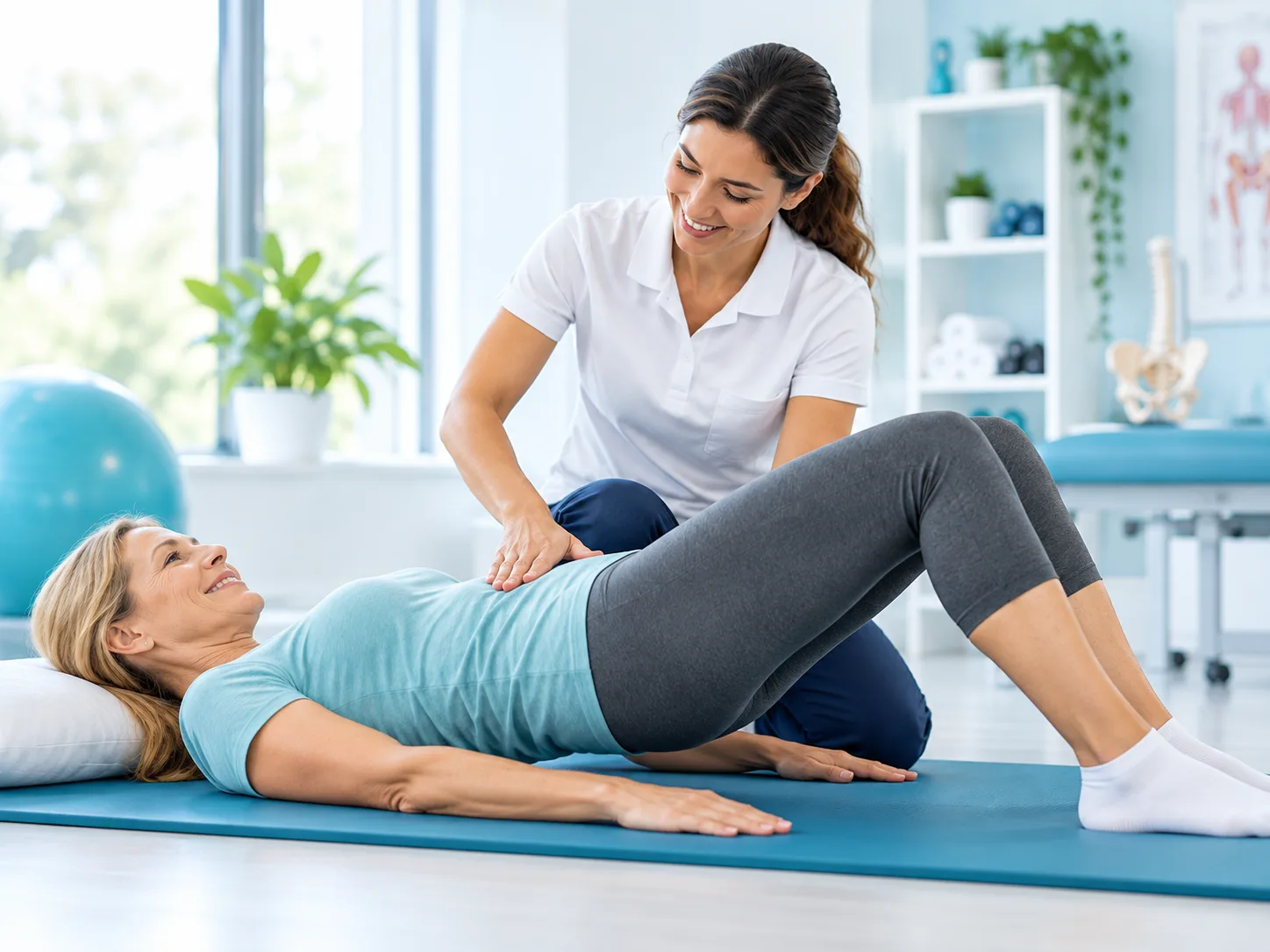
How we can help with pregnancy discomfort (pre & postnatal)
Pregnancy, the postnatal period, pelvic health and surgery all bring specific rehabilitation needs. Care is private, respectful and paced to you, with the aim of restoring strength, comfort and function.
- A confidential assessment with your consent at every step
- Pelvic floor and core retraining where appropriate
- Pre- and post-surgical exercise programs
- Guidance for a safe return to daily activity
Every plan starts with an individual assessment. This page is general information, not a diagnosis. For sudden, severe or worsening symptoms, seek medical care right away.
About pregnancy discomfort (pre & postnatal)
Pregnancy and the weeks after birth can bring back, pelvic, hip, rib, neck, wrist or other musculoskeletal discomfort, along with changes in balance, breathing, sleep and pelvic-floor function. Body changes, including a shifting centre of gravity and more mobile joints, can alter how everyday tasks feel.[1] Physiotherapy may help with education, movement and individualized exercise, but pregnancy care comes first. Check with your prenatal care provider before starting or changing an exercise or treatment plan, and tell the clinician whether you are pregnant, recently gave birth, had a caesarean birth or have complications. Postnatally, recovery is gradual; Canada’s guidance notes that it can take 4 to 6 weeks or more to feel like yourself again.[2] Support should be respectful of individual goals, cultural context, feeding choices and the realities of caring for an infant.
What can contribute to it
Discomfort can reflect normal changes in posture, load, joint mobility, muscle demand and activity, but symptoms are not automatically harmless. During pregnancy, the growing abdomen shifts the centre of gravity and places more stress on the pelvis and lower back; pregnancy hormones also relax supporting ligaments and can increase joint mobility.[1] After birth, tissues and routines continue to change, sleep may be limited, feeding and carrying positions may be repetitive, and the pelvic floor and abdominal wall may need time to recover. Vaginal or caesarean birth, tears, stitches, complications, previous injuries and the demands of caring for a baby can all affect symptoms. A prenatal or postpartum assessment should distinguish expected musculoskeletal discomfort from symptoms requiring medical or obstetric review.
What a first assessment looks at
Assessment should begin by confirming pregnancy or postpartum stage, birth history, medical and obstetric history, current symptoms, activity, work, sleep, feeding and caring demands, and the advice already provided by the prenatal or postpartum care team. The clinician may observe posture, breathing, walking, transfers and functional tasks, and assess appropriate movement, strength, balance and pelvic-floor-related concerns without assuming that every symptom is musculoskeletal. A plan should be modified for trimester, delivery recovery, complications, pain irritability, balance and fatigue. ACOG advises discussing exercise with an obstetrician–gynecologist, particularly before starting or changing activity.[1] After birth, follow-up with a healthcare provider is important, and new or concerning bleeding, fever, severe pain, wound changes or feeling unwell should be medically assessed.[2]
How care may help
- With prenatal-care clearance, treatment may include education about positions, lifting, sleep, pacing, breathing and ways to modify daily tasks as the body changes.[1][2]
- A graded exercise plan may use comfortable mobility, strength, balance, walking or water-based activity, adjusted for symptoms, stage of pregnancy and medical advice.[1]
- Postnatal rehabilitation may address gradual return to activity, pelvic-floor awareness, abdominal and trunk function, walking, lifting and caring tasks after the birth and any required healing period.[2]
- Hands-on care or massage may be considered for selected musculoskeletal symptoms, using positioning and techniques appropriate to pregnancy or postpartum recovery rather than a one-size-fits-all approach.[2][3]
- Coordination with the prenatal care provider, midwife, family doctor or obstetric team is appropriate when symptoms are new, persistent, severe, associated with complications or outside a musculoskeletal scope.[1][2]
Self-care and everyday guidance
- Ask your prenatal care provider before starting or changing exercise or treatment, and follow any activity restrictions or precautions you have been given.
- Use comfortable, low-risk movement such as walking or water activity only when cleared, stay hydrated and avoid overheating, falls and activities with abdominal-impact risk.
- Use supportive positions for sleep, feeding and lifting; change positions regularly, keep loads close and ask for help with tasks that increase symptoms.
- After birth, increase activity gradually, rest when possible, accept support and contact your healthcare provider if you feel physically or emotionally unwell or recovery is not progressing.
When to seek urgent or medical care
- During pregnancy, stop activity and contact your prenatal care provider for vaginal bleeding, fluid leakage, regular painful contractions, chest pain, faintness, unusual shortness of breath, headache, muscle weakness or calf pain/swelling.[1]
- After birth, seek prompt medical advice for heavy bleeding, large clots, foul-smelling discharge, fever, worsening abdominal or perineal pain, or a wound that is not healing.[2]
- Seek urgent care for sudden chest pain, severe breathing difficulty, fainting, or one-sided leg swelling and pain, especially with breathing symptoms.
- Seek urgent medical assessment for a severe or rapidly worsening headache, vision or neurological changes, confusion, seizure or any symptom that feels like an emergency rather than routine pregnancy discomfort.
Frequently asked questions
Can I book physiotherapy while pregnant?
You can ask about an assessment, but check with your prenatal care provider first. Tell the clinic how far along you are and about any complications, restrictions or symptoms. Treatment and exercise should be adapted to your pregnancy and coordinated with your care team.
Is back or pelvic pain normal after birth?
It can occur while tissues, strength, posture and routines recover, but persistent, severe or worsening pain deserves medical review. A postpartum assessment can consider movement, pelvic-floor concerns and daily demands while respecting healing after vaginal or caesarean birth.[2]
What can I do at home?
Use only activities cleared for you, such as comfortable walking, and build gradually. Hydration, rest, supportive positioning and help with lifting may reduce strain. Avoid pushing through warning symptoms, and ask your prenatal or postpartum provider about any new concern.
Articles about pregnancy discomfort (pre & postnatal)
Published by Next Step Physio & Rehab Clinic. Last updated .
Get help with pregnancy discomfort (pre & postnatal)
Book an assessment with our Brampton team. No referral is needed and direct billing is available.