ACL Reconstruction Physiotherapy in Brampton: What to Expect
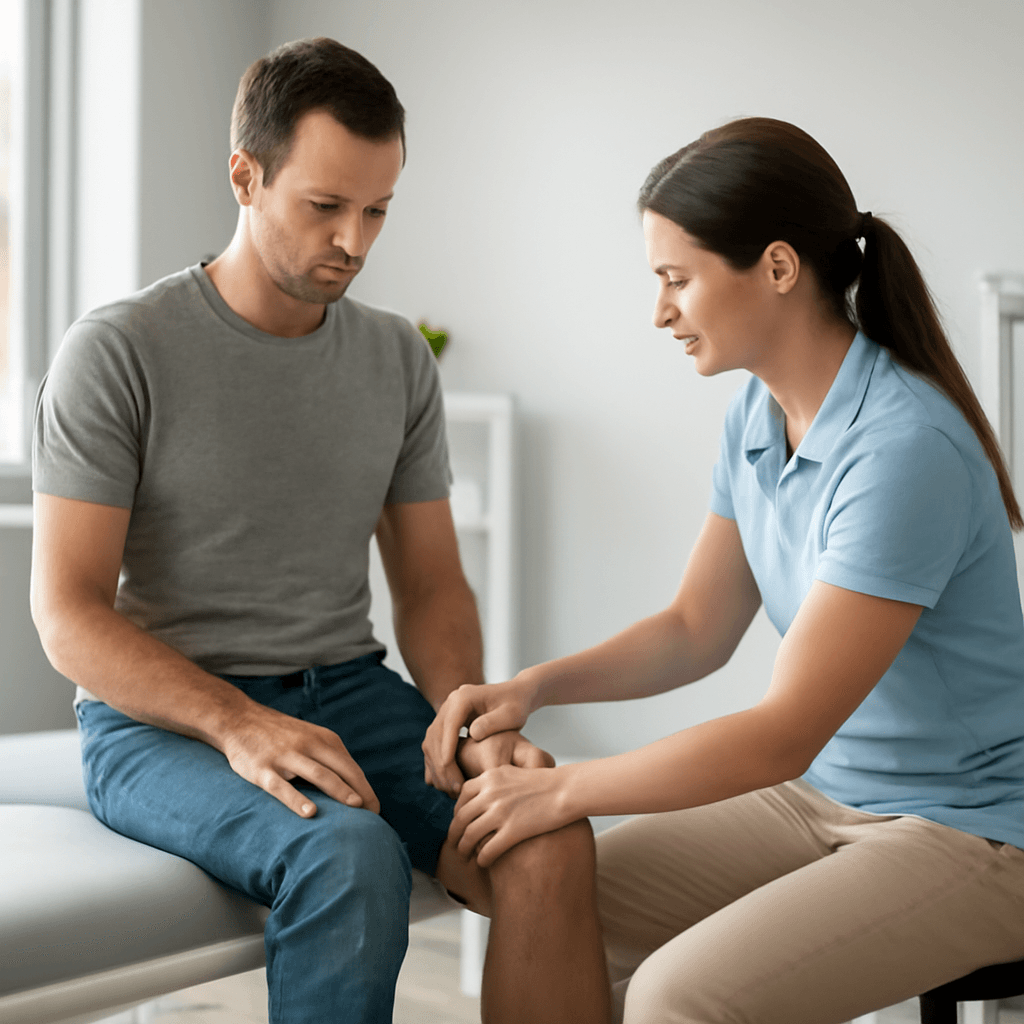
ACL reconstruction physiotherapy in Brampton may include an assessment of swelling, movement, walking and muscle control, followed by a staged plan shaped by your surgical instructions and goals.
ACL reconstruction physiotherapy in Brampton usually starts with a review of your surgeon's instructions, swelling, knee movement, walking and muscle control. Your physiotherapist may then guide a staged plan for strength, balance and daily activity. The pace depends on the operation, other knee injuries, symptoms and your goals; this article cannot set your personal protocol.
Published by Next Step Physio & Rehab Clinic · Published November 8, 2026
Why does ACL reconstruction rehabilitation need an individual plan?
The anterior cruciate ligament (ACL) is one of the ligaments that helps connect and stabilise the thigh bone and shin bone at the knee. An ACL injury can occur with twisting, changing direction, jumping or a direct impact. Symptoms may include swelling, pain, reduced movement and a feeling that the knee gives way.https://orthoinfo.aaos.org/diseases--conditions/anterior-cruciate-ligament-acl-injuries[1]
After reconstruction, your restrictions may also depend on whether the surgeon treated the meniscus or another structure. A hospital rehabilitation guide notes that protocols can differ when other knee repairs are involved, so a generic online exercise list shouldn't replace the instructions from your surgical and physiotherapy team.https://www.cuh.nhs.uk/patient-information/anterior-cruciate-ligament-acl-reconstruction-rehabilitation/[3]
What can you expect from an ACL physiotherapy assessment?
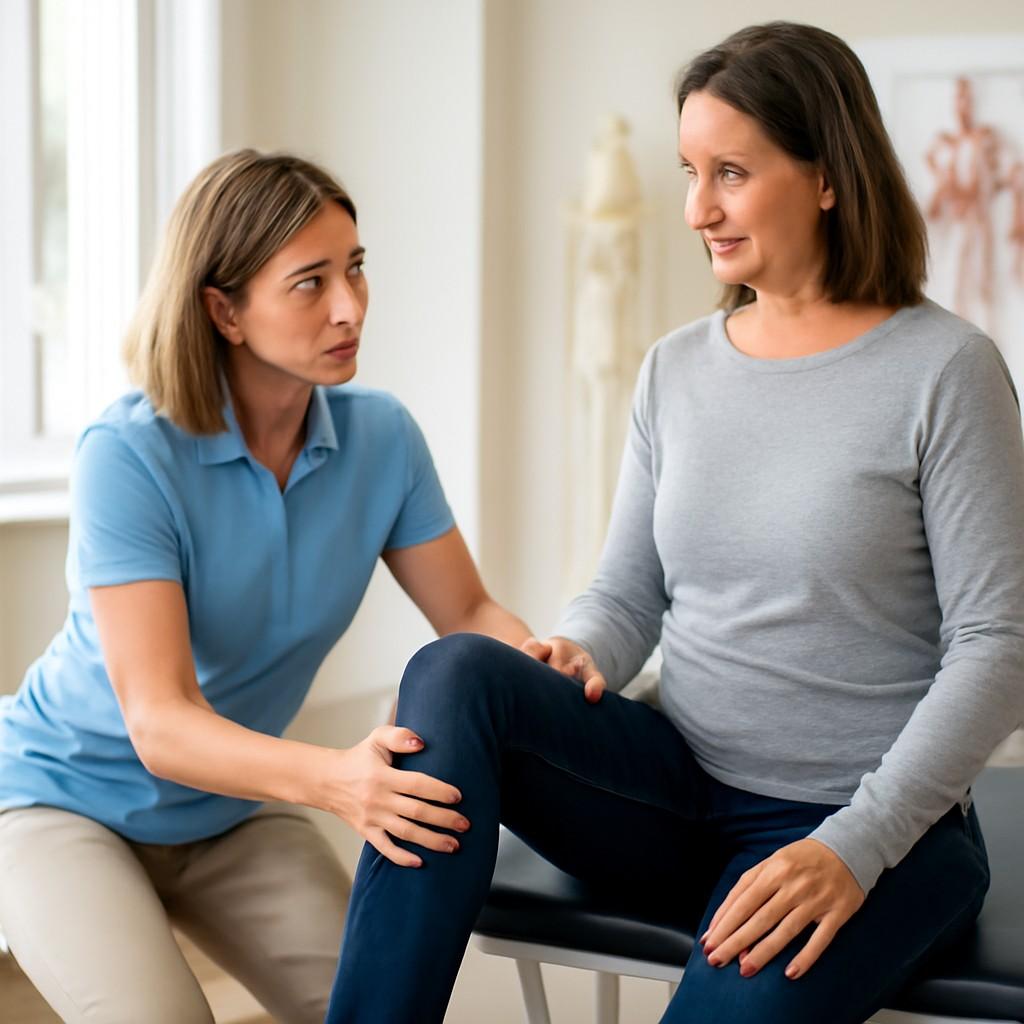
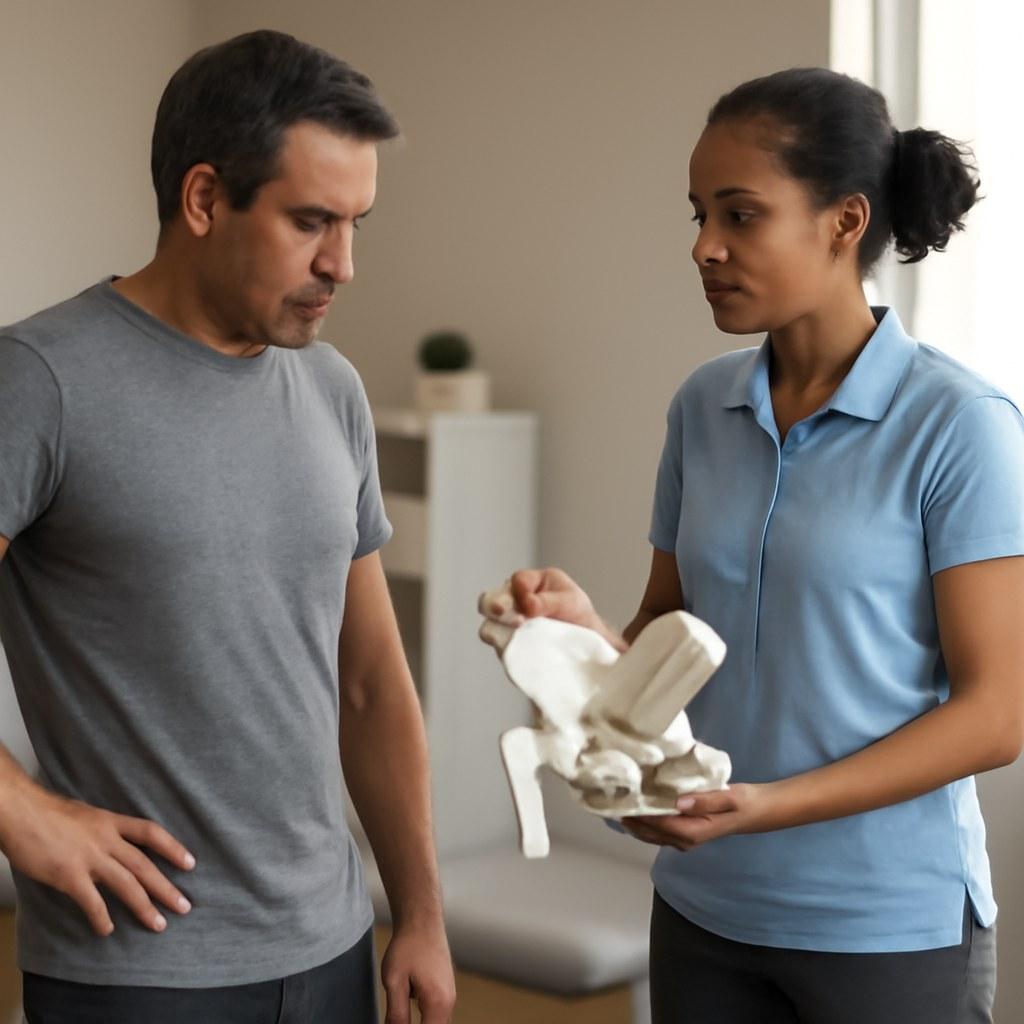
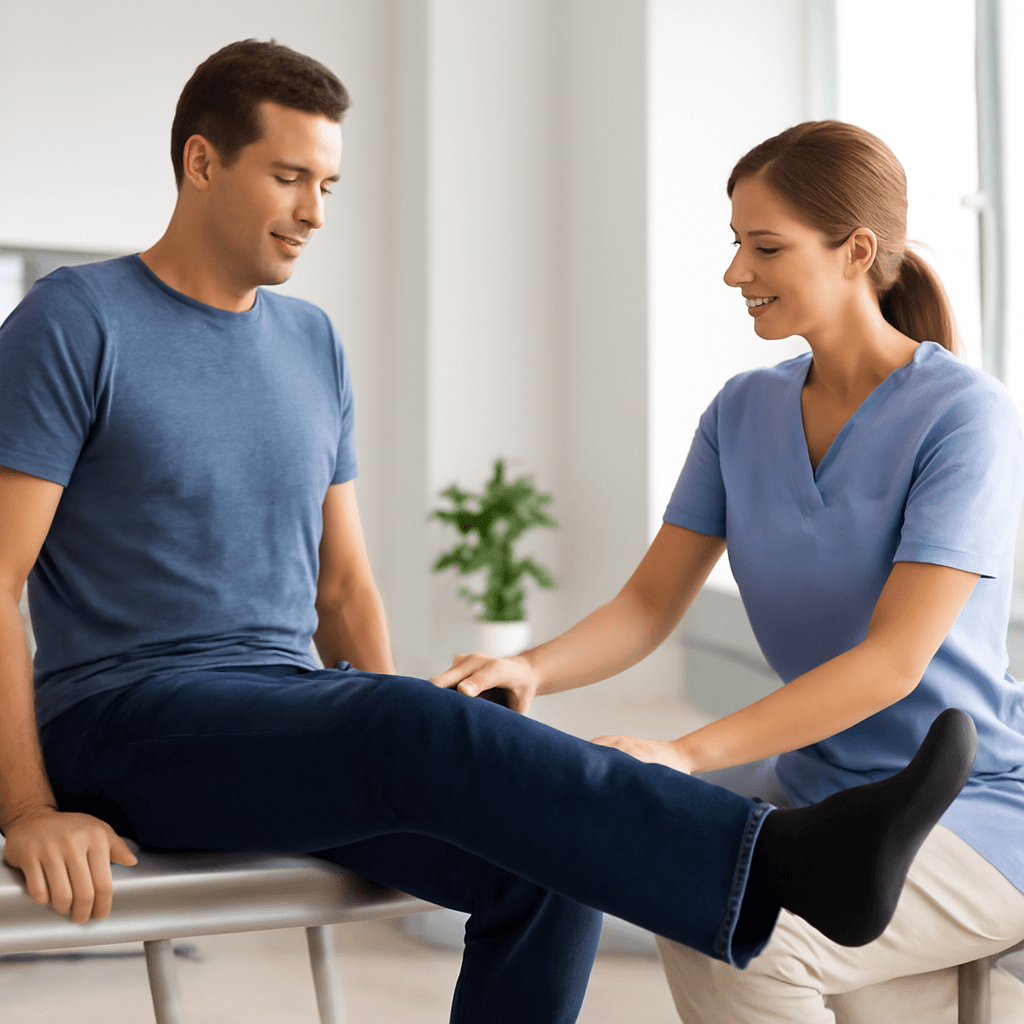
Your first visit may include questions about the operation, graft or other procedures, pain, swelling, medication, crutches, brace instructions and your current activities. The physiotherapist may observe walking, check knee movement and assess muscle control within the limits set by your surgeon. Next Step's physiotherapy service describes an assessment-led process with movement analysis, exercise therapy and education rather than one fixed programme.https://www.nextstepphysioandrehab.com/services/physiotherapy[4]
Bring your discharge paperwork or surgical protocol if you have it. Tell the clinician about increasing swelling, wound concerns, calf symptoms, a new loss of movement or an exercise that feels unsafe. Those details can change the next step.
How may physiotherapy support recovery after ACL reconstruction?
Rehabilitation commonly moves from early protection and comfortable movement toward strength, balance, coordination and task-specific work. Depending on your findings and the surgical protocol, a plan may include guidance for walking, knee range of motion, quadriceps and hamstring strength, balance and a gradual return to work, daily tasks or sport. The American Academy of Orthopaedic Surgeons states that treatment depends on individual needs and recovery goals, while physical therapy can help rebuild quadriceps strength and confidence.https://orthoinfo.aaos.org/diseases--conditions/anterior-cruciate-ligament-acl-injuries[1]
A Cambridge University Hospitals guide describes rehabilitation targets such as reducing swelling, restoring knee extension, improving quadriceps control and gradually rebuilding movement and balance. These are examples of rehabilitation priorities, not targets you should force or a timetable that applies to every knee.https://www.cuh.nhs.uk/patient-information/anterior-cruciate-ligament-acl-reconstruction-rehabilitation/[3]
The APTA's patient guide also describes physical therapy before and after surgery, with progression shaped by the operation and the person's needs. A physiotherapist and surgeon can coordinate the safest activity limits for your case.https://choosept.com/guide/physical-therapy-guide-anterior-cruciate-ligament-tear[2]
When should you contact your surgical or medical team?
Follow the urgent instructions provided by your surgical team. Contact them promptly about concerns such as a wound that is becoming more red or draining, fever, rapidly increasing swelling or pain, a new inability to move or bear weight, or calf swelling and pain. Sudden chest pain, severe shortness of breath or fainting needs emergency help. These symptoms are not something to assess through a routine physiotherapy appointment.
Frequently asked questions
How soon should physiotherapy begin after ACL reconstruction?
The timing and first exercises come from your surgical and physiotherapy instructions. Some rehabilitation starts early, but the right pace depends on the reconstruction, any additional repair, your examination and the restrictions you were given.
Will ACL physiotherapy be painful?
Some movement or exercise can feel effortful, but severe or escalating pain is a reason to stop and ask for guidance. Your clinician can help you judge the response of your knee and adjust the plan.
When can I return to sport after ACL reconstruction?
There isn't one safe date for everyone. Return-to-sport decisions may consider strength, movement quality, balance, confidence, sport demands and the surgeon's protocol. A physiotherapist can test and discuss progress rather than clearing activity from an online checklist.
How do I book ACL reconstruction physiotherapy in Brampton?
Contact Next Step Physio & Rehab Clinic to ask about an assessment. The clinic is at 9886 Torbram Rd, Unit 109, Brampton, ON L6S 3L9, Canada. You can call +1 (647) 872-8105 or request a physiotherapy appointment.https://www.nextstepphysioandrehab.com/contact[5][6]
Ask about ACL reconstruction physiotherapy in Brampton
Next Step Physio & Rehab Clinic provides physiotherapy at 9886 Torbram Rd, Unit 109, Brampton, ON L6S 3L9, Canada. The clinic's physiotherapy service includes assessment, exercise therapy, movement analysis and education. Request an appointment or call +1 (647) 872-8105.
Educational disclaimer: This article provides general health information and is not medical advice, a diagnosis or an individual treatment plan. Do not change your surgical restrictions or exercises based only on this article. Follow your surgeon's instructions and speak with a qualified healthcare professional about your recovery. Seek urgent medical care for severe or sudden symptoms.
Sources
- https://orthoinfo.aaos.org/diseases--conditions/anterior-cruciate-ligament-acl-injuries[1]
- https://choosept.com/guide/physical-therapy-guide-anterior-cruciate-ligament-tear[2]
- https://www.cuh.nhs.uk/patient-information/anterior-cruciate-ligament-acl-reconstruction-rehabilitation/[3]
- https://www.nextstepphysioandrehab.com/services/physiotherapy[4]
- https://www.nextstepphysioandrehab.com/contact[5]
- https://www.nextstepphysioandrehab.com/book-appointment[6]
This article is for general education only and is not a substitute for individual medical advice. Please speak with a qualified healthcare professional about your situation.