Calf Strain Physiotherapy in Brampton: What to Expect
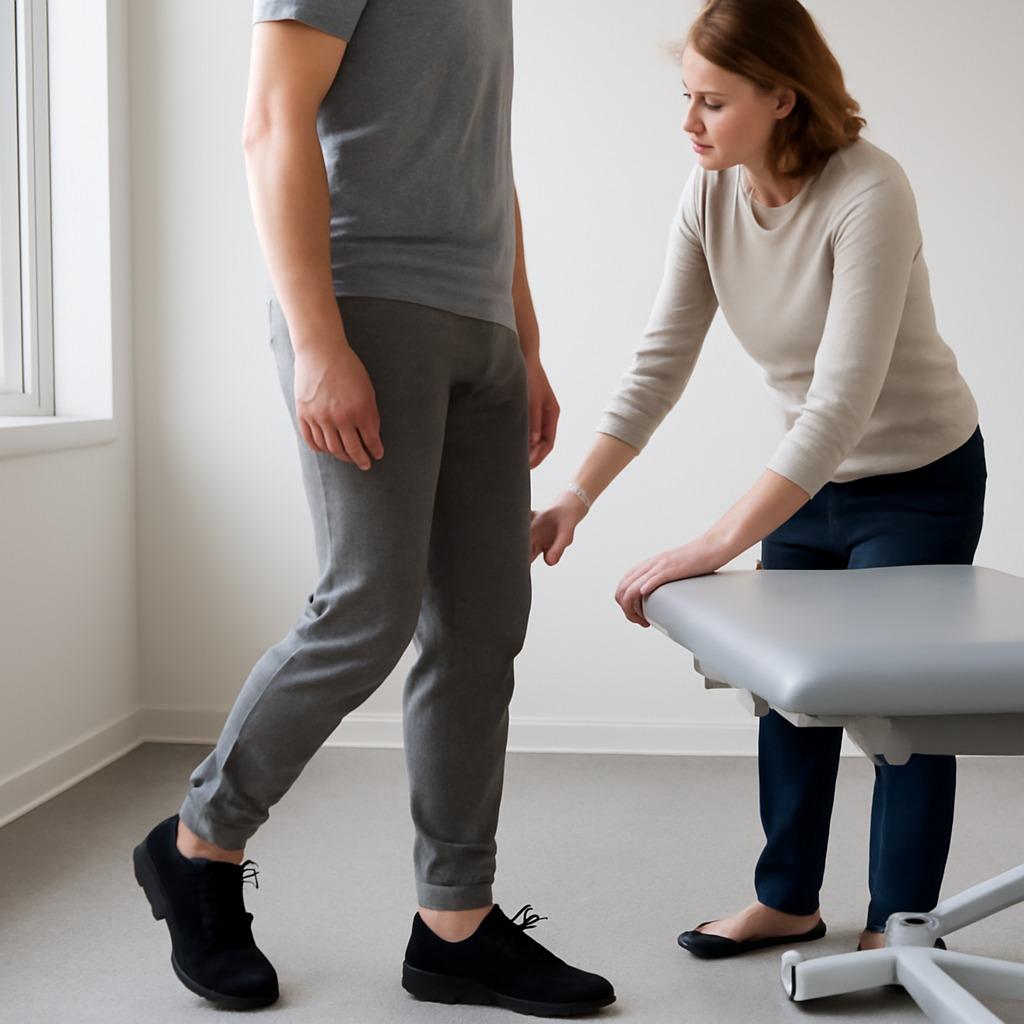
Calf strain physiotherapy in Brampton may include an assessment of pain, swelling, walking and calf strength, followed by a gradual plan for movement and return to activity based on your findings.
Calf Strain Physiotherapy in Brampton: What to Expect
Calf strain physiotherapy in Brampton may help you understand pain in the back of the lower leg and plan a gradual return to walking, work, exercise or sport. An assessment can review how the injury happened, swelling, walking, ankle movement and calf strength. The right next step depends on your findings; this article cannot diagnose the cause of calf pain.
Published by Next Step Physio & Rehab Clinic · Published November 12, 2026
What is a calf strain?
A calf strain is an injury involving muscle fibres in the back of the lower leg. The gastrocnemius and soleus are two muscles that make up the calf, and a strain can occur when the muscle is overstretched or exposed to more force than it can manage at that moment.https://hey.nhs.uk/patient-leaflet/soft-tissue-injury-calf-strain[1]
People may notice a sudden pain, swelling or bruising, or difficulty pushing off the foot and standing on the toes. Those symptoms can also occur with other problems, so the label “calf strain” should not replace an assessment when the presentation is unclear or symptoms are not settling.https://hey.nhs.uk/patient-leaflet/soft-tissue-injury-calf-strain[1]
What can you expect from a calf strain physiotherapy assessment?
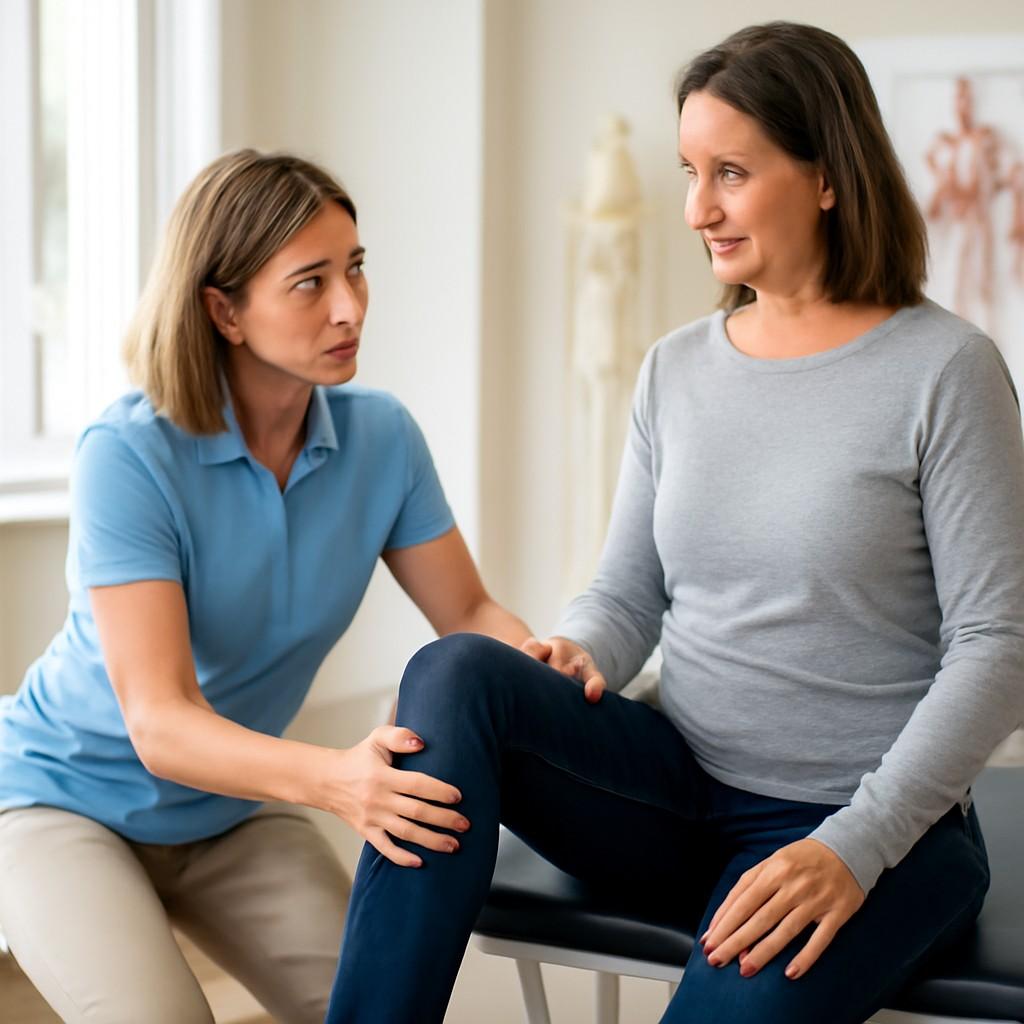
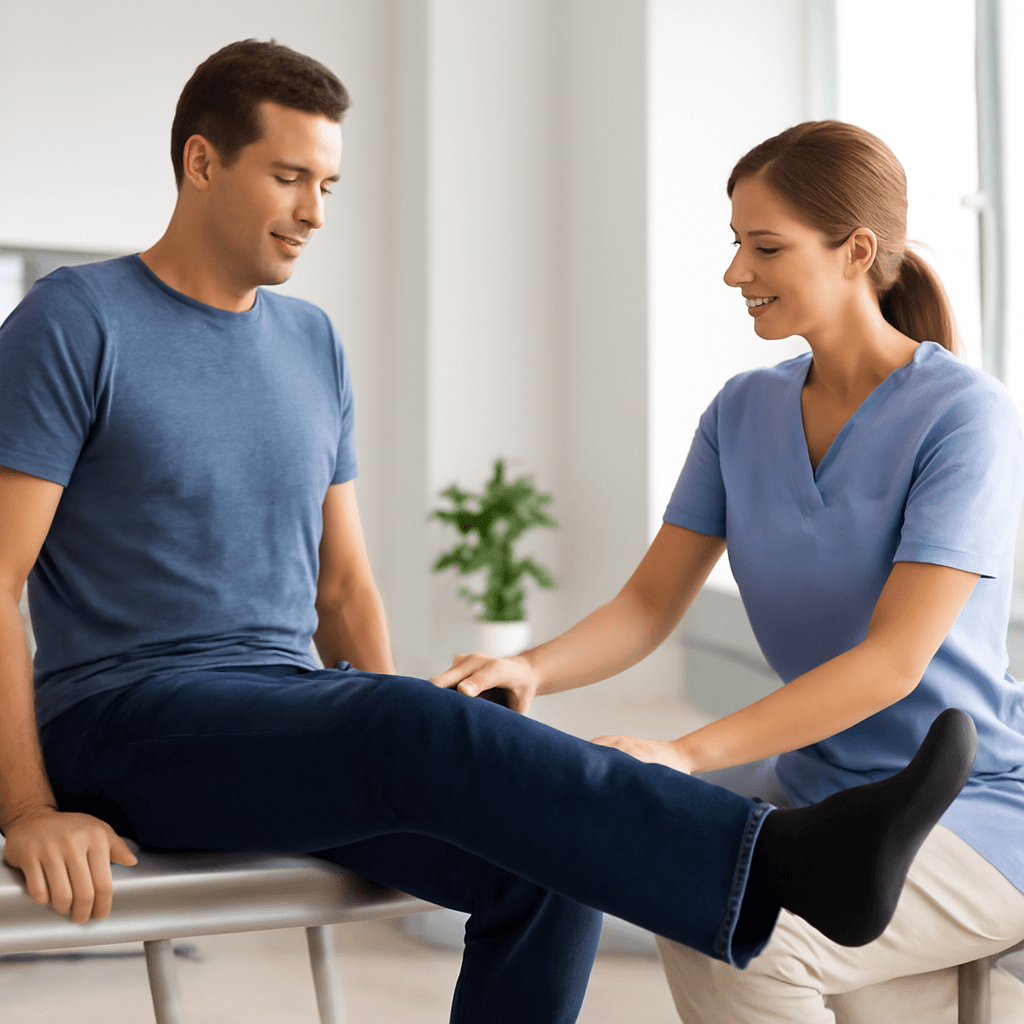
A calf strain assessment may include questions about the injury, pain, swelling and activity goals, followed by checks of walking, ankle movement, calf strength and tolerance for tasks such as a supported heel raise. The findings can guide a gradual plan, but an appointment cannot promise a diagnosis, timeline or outcome.https://hey.nhs.uk/patient-leaflet/soft-tissue-injury-calf-strain[1]
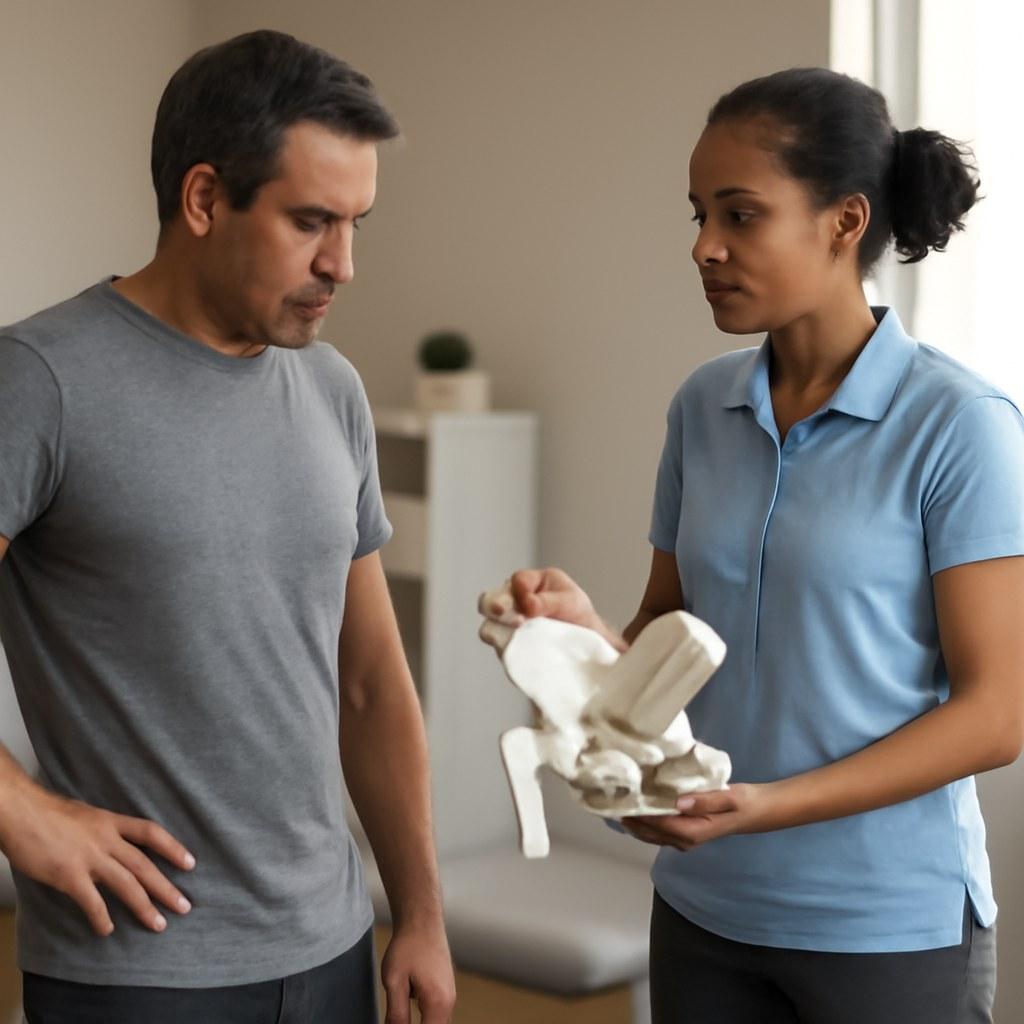
Tell the physiotherapist what you were doing when the pain started. A quick change in running, a jump, a hill, a long walk, a sport session or a forceful push-off may be useful context. Also mention whether you can put weight through the leg, whether swelling is changing and what you need to return to in Brampton—perhaps a physically demanding job, gym training, recreational sport or everyday stairs.
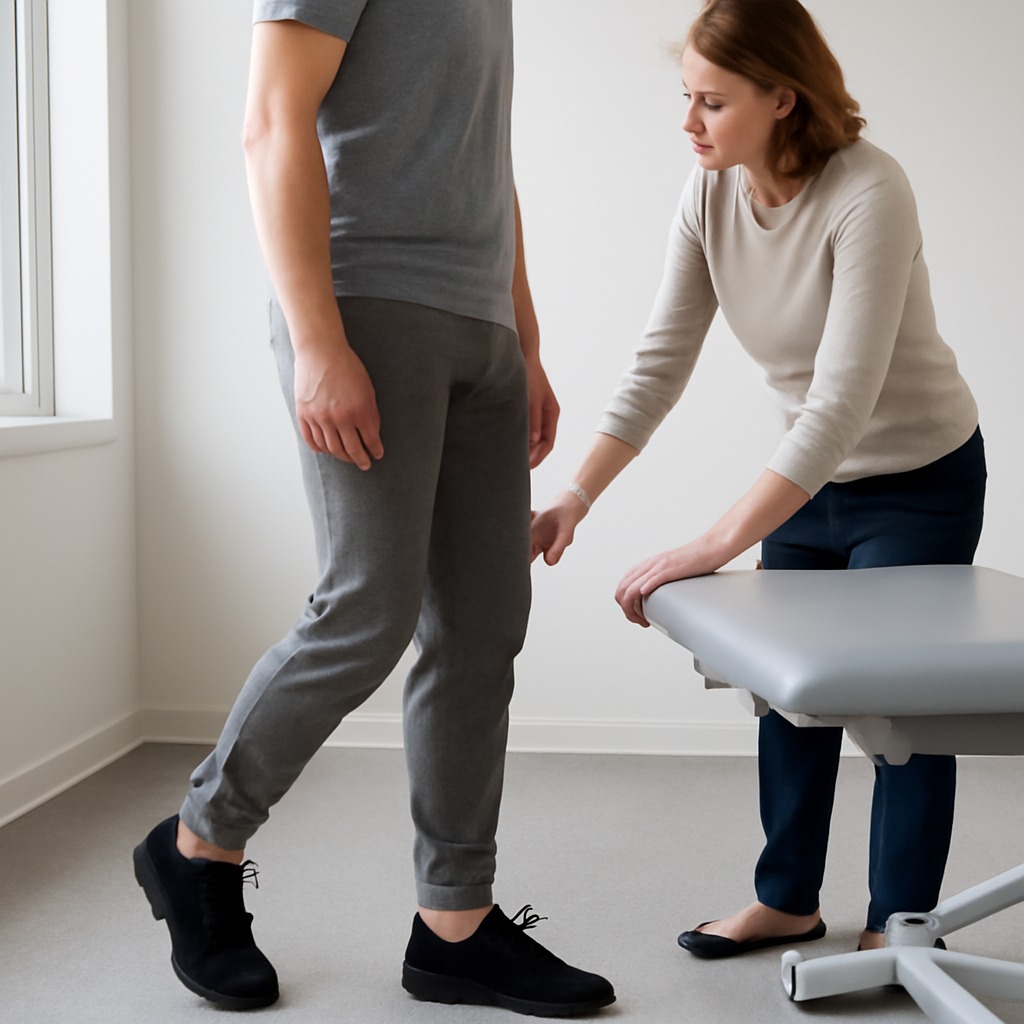
The clinician may compare both legs, observe your walking and assess ankle and knee movement. Strength testing may be adapted to your symptoms. If the pattern does not fit a straightforward muscle injury, or if another medical assessment is more appropriate, the next step should be discussed rather than forcing a physiotherapy plan.
At Next Step Physio & Rehab Clinic, physiotherapy is described as an assessment-led service that can include movement analysis, exercise therapy, education and progress reviews. Plans are adjusted around a person's goals and findings rather than one fixed routine.https://www.nextstepphysioandrehab.com/services/physiotherapy[3]
How may physiotherapy support calf strain recovery?
Depending on the assessment, a plan may include comfortable ankle movement, gradual walking, calf flexibility work and progressive strengthening. One NHS physiotherapy guide describes early movement as part of recovery and recommends building walking distance when you feel able, while monitoring pain and swelling.https://www.uhdb.nhs.uk/calf-strain[2]
The sequence matters. Early exercises may be gentle and supported. Later work may include seated or standing calf raises, balance, controlled push-off and tasks that resemble your work or sport. A runner may need a different progression from someone whose main goal is to walk comfortably around Bramalea, Torbram Road or the rest of the city. Your physiotherapist can adjust range, resistance, repetitions and activity load based on how the calf responds.
Returning to sport is usually a progression, not a single test. Before higher-demand activity, you may need to work toward comfortable walking, usable ankle movement and adequate strength for the demands you plan to resume. The NHS patient leaflet advises waiting until full strength, full movement and brisk walking without pain or swelling before returning to an active hobby, then building sport-specific tasks gradually.https://hey.nhs.uk/patient-leaflet/soft-tissue-injury-calf-strain[1]
Should you stretch or exercise a painful calf?
Not automatically, and not aggressively. Gentle movement may be appropriate for some people, but the timing and amount depend on the injury and your symptoms. The NHS guidance recommends beginning rehabilitation exercises once pain has settled and advises stopping when an exercise becomes painful rather than pushing through it.https://hey.nhs.uk/patient-leaflet/soft-tissue-injury-calf-strain[1]
A physiotherapy assessment can help you choose a starting level and decide how to progress it. If an exercise causes a clear increase in pain, swelling or walking difficulty, pause and seek individual advice instead of copying a more advanced routine from the internet.
When should calf pain be assessed urgently?
Seek prompt medical advice if the calf becomes increasingly tender, red or hot, or if pain and swelling are worsening rather than settling. Those symptoms need medical attention because not every painful or swollen calf is a simple muscle strain.https://hey.nhs.uk/patient-leaflet/soft-tissue-injury-calf-strain[1]
Call 911 or go to an emergency department for an emergency such as chest pain, severe breathing difficulty or sudden collapse. This article is general education, not an emergency assessment. If you are unsure what to do, contact an appropriate healthcare professional promptly.
How do you book calf strain physiotherapy in Brampton?
Next Step Physio & Rehab Clinic is located at 9886 Torbram Rd, Unit 109, Brampton, ON L6S 3L9. You can review the clinic's physiotherapy service and contact page before requesting an appointment. The clinic lists +1 (647) 872-8105 as its phone number.https://www.nextstepphysioandrehab.com/contact[4]
Frequently asked questions
How long does a calf strain take to recover?
Recovery varies with the severity of the injury and your health. One NHS service notes that calf strains often settle over 6 to 12 weeks, but that is not a personal prediction. A physiotherapist can help you track function and adjust activity as you recover.https://www.uhdb.nhs.uk/calf-strain[2]
Can I walk with a calf strain?
Some people can walk with a mild injury, while others need temporary support or a different activity level. Do not use a generic timeline to judge your injury. If you cannot bear weight, symptoms are worsening or the calf is hot, red and increasingly tender, seek medical advice.
Do I need a doctor's referral for physiotherapy in Brampton?
Next Step's physiotherapy service states that a referral is not required to see a physiotherapist in Ontario, although some insurance plans may ask for one before reimbursing care. Check your own plan details before booking.https://www.nextstepphysioandrehab.com/services/physiotherapy[3]
Educational disclaimer
This article provides general health education and is not medical advice, a diagnosis or a substitute for an in-person assessment. Calf pain can have different causes. Stop and seek appropriate medical help if symptoms are severe, rapidly changing, or concerning. Treatment options and suitability vary by person.
Sources
This article is for general education only and is not a substitute for individual medical advice. Please speak with a qualified healthcare professional about your situation.