Patellofemoral Pain Physiotherapy in Brampton: What to Expect
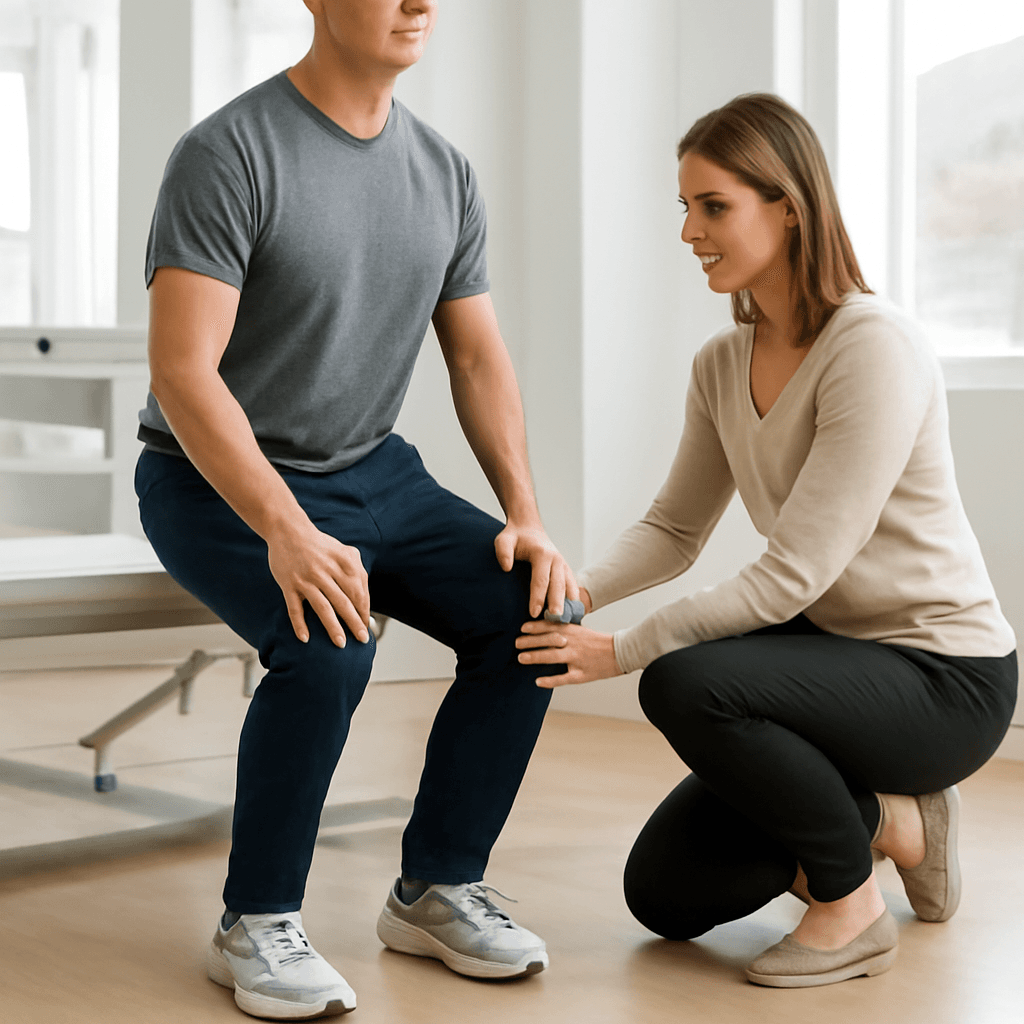
Patellofemoral pain physiotherapy in Brampton may include an assessment of kneecap pain, movement, hip and thigh strength, activity changes and goals, followed by an individualised plan for a gradual return to activity.
Patellofemoral pain physiotherapy in Brampton may help you understand pain around the kneecap and plan a gradual return to stairs, squatting, running or sport. An assessment can review your symptoms, movement, hip and thigh strength, activity changes and goals. The right plan depends on your findings; this article cannot diagnose the cause of knee pain.
Published by Next Step Physio & Rehab Clinic · Published November 11, 2026
What is patellofemoral pain?
Patellofemoral pain is pain at the front of the knee, under or around the kneecap. It may appear after activity levels rise faster than the knee can adapt, including changes in running, jumping, stairs or deep knee bending. Pain can also be influenced by hip and thigh strength, movement coordination and other factors, so the name alone does not identify one single injury.https://www.choosept.com/guide/physical-therapy-guide-patellofemoral-pain[1]
The symptoms may feel familiar: pain when going up or down stairs, squatting, running, jumping, walking on uneven ground or sitting with the knee bent for a long time. These patterns can occur with other knee problems too. A clinician may need to assess the full picture before deciding whether patellofemoral pain is a reasonable working explanation.https://www.choosept.com/guide/physical-therapy-guide-patellofemoral-painhttps://pmc.ncbi.nlm.nih.gov/articles/PMC6693858/[1][2]
What can you expect from a patellofemoral pain physiotherapy assessment?
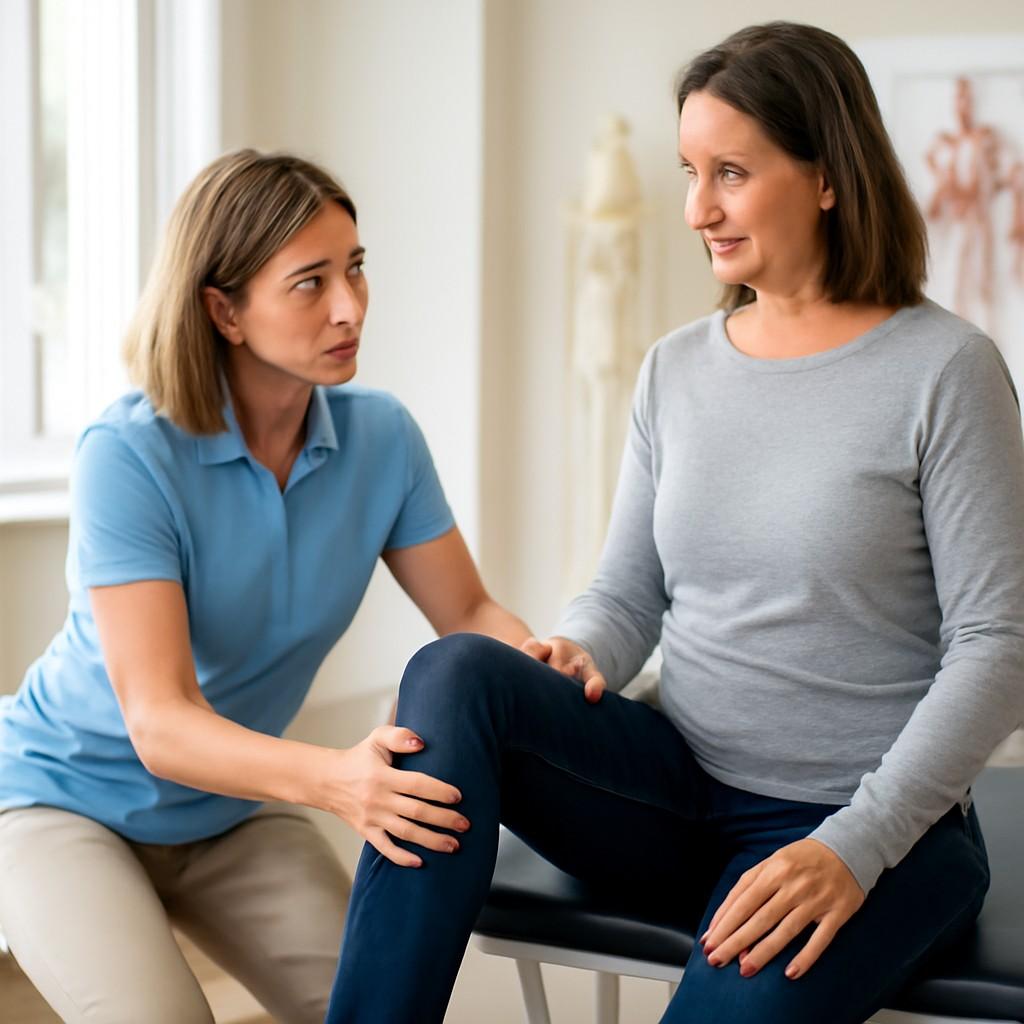
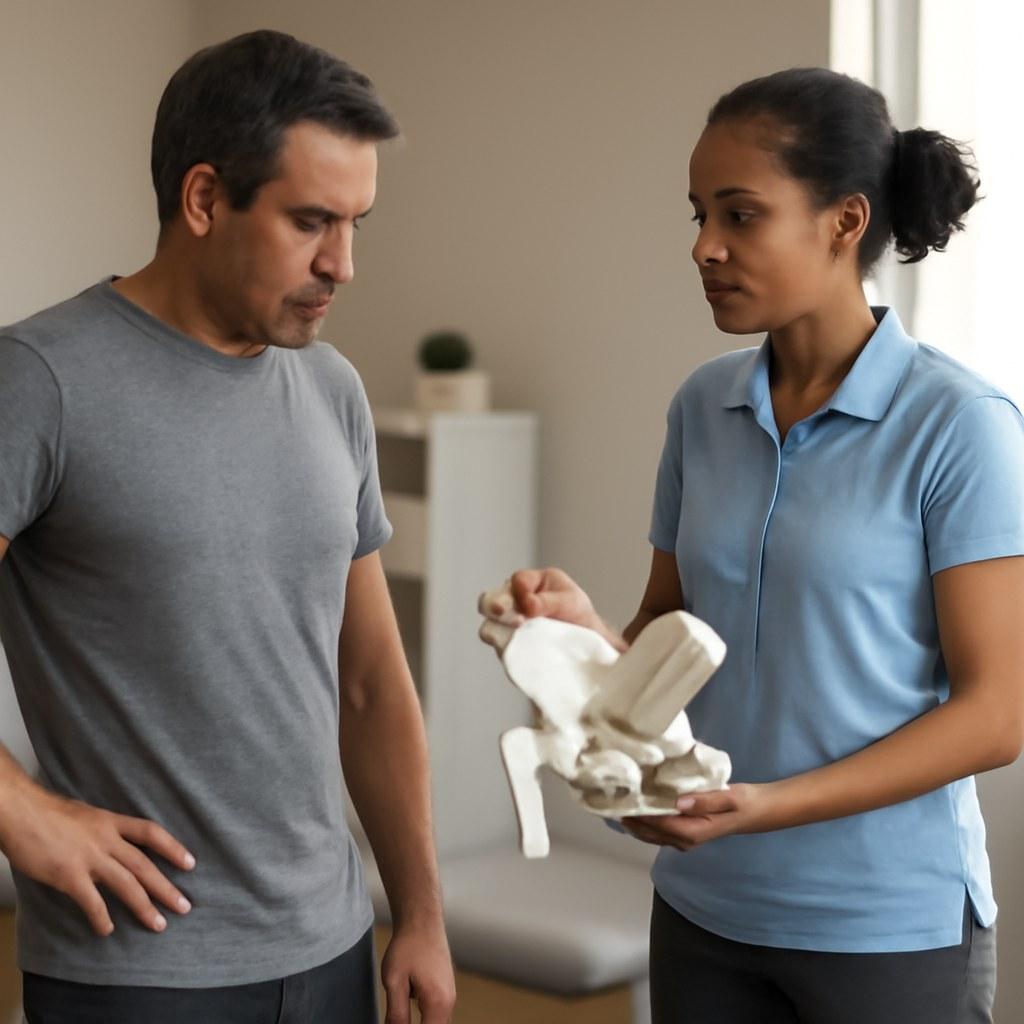
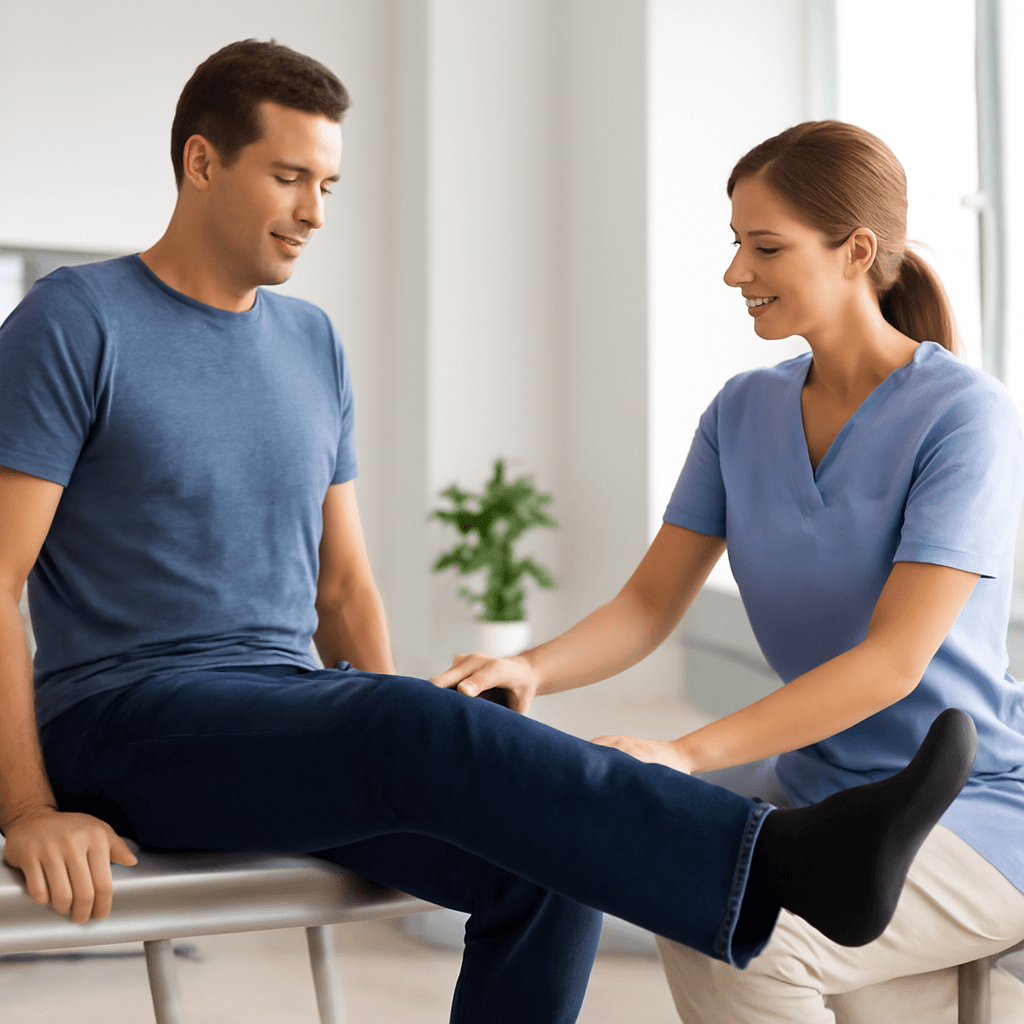
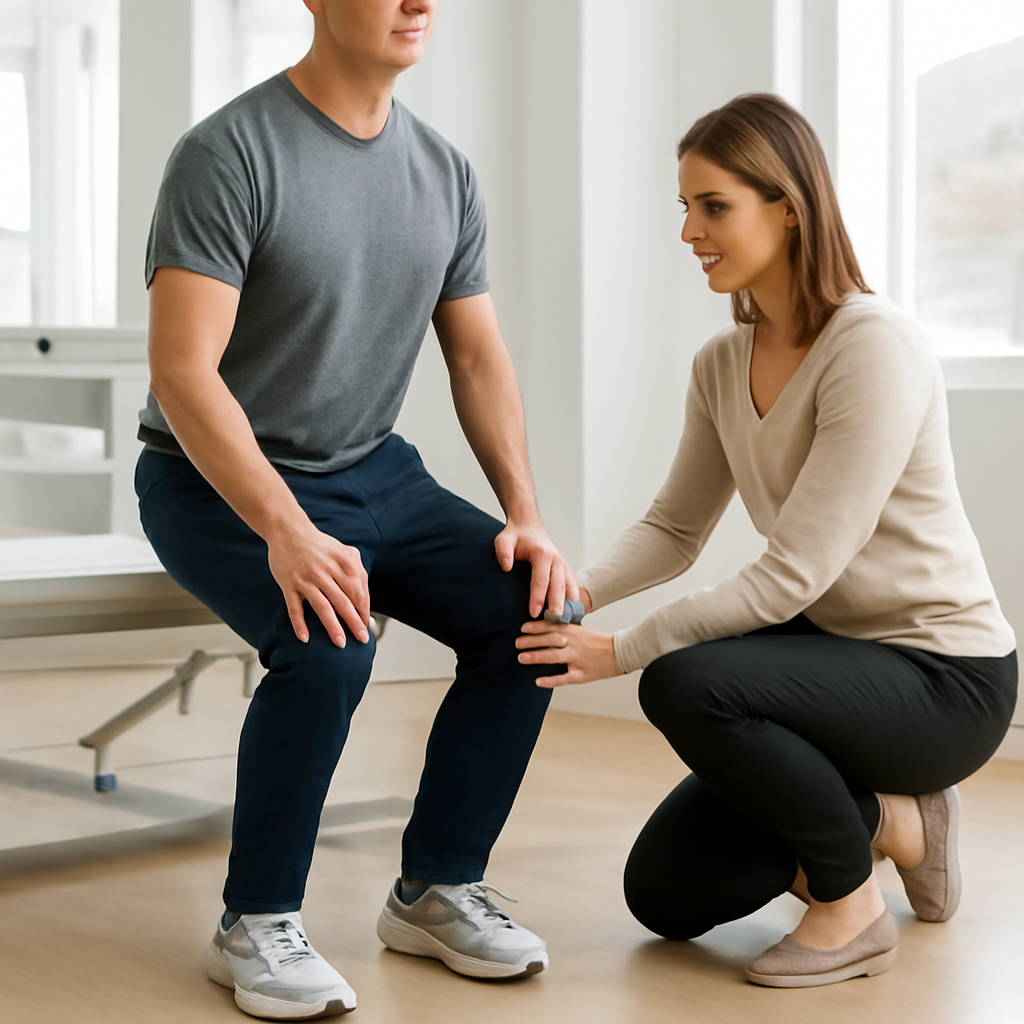
A patellofemoral pain assessment may include questions about when symptoms started, recent changes in activity, pain with stairs or squats, sitting tolerance and your goals. Your physiotherapist may observe walking, a squat or another suitable task, then assess knee, hip and ankle movement, strength, balance and how the symptoms respond. The assessment helps guide a plan; it does not guarantee a particular diagnosis or outcome.https://pmc.ncbi.nlm.nih.gov/articles/PMC6693858/
Tell the clinician what changed before the pain began. That might be a new running route near Brampton, more court time, extra stair use at work, a return to the gym or a sudden increase in walking. Also mention previous knee, hip, ankle or back symptoms, footwear, work demands and activities you want to resume. A detailed history and examination can help identify whether the knee is the main source of symptoms or whether referral is more appropriate.https://pmc.ncbi.nlm.nih.gov/articles/PMC6693858/
At Next Step Physio & Rehab Clinic, the physiotherapy service describes an assessment-led process with movement analysis, exercise therapy, education and progress reviews. The service page also explains that plans are adjusted around a person's goals and findings rather than one fixed routine.https://www.nextstepphysioandrehab.com/services/physiotherapy[3]
How may physiotherapy support patellofemoral pain?
Depending on the assessment, a plan may include education about load, exercises for the hip and knee, movement or coordination practice, and a gradual return to activities that matter to you. The American Physical Therapy Association's patient guide identifies exercise therapy targeting the hip and knee as a central part of care, while taping or shoe inserts may be considered as additions for selected people rather than stand-alone fixes.https://www.choosept.com/guide/physical-therapy-guide-patellofemoral-pain
Early on, you may discuss changing the amount or depth of painful squats, reducing high-impact sessions temporarily or using a comfortable cross-training option. That doesn't mean stopping every form of movement. The aim is to find a level your knee can tolerate and then build gradually while monitoring the response. A clinical review describes progressive, individualised rehabilitation and cautions that persistent or worsening symptoms need reassessment.https://pmc.ncbi.nlm.nih.gov/articles/PMC6693858/
Exercises are not chosen because they are popular online. A clinician may adjust the position, resistance, range or number of repetitions based on your symptoms, strength and activity demands. Someone returning to running may need a different progression from someone who mainly wants to manage stairs, kneeling or standing at work.
Should you stop all activity with kneecap pain?
Not automatically. A short reduction in aggravating load may be reasonable, but complete rest can leave you less prepared for the activity you want to resume. Your physiotherapist can discuss alternatives that keep you moving without repeatedly provoking the knee, then help you progress toward stairs, squats, running or sport when appropriate.https://www.choosept.com/guide/physical-therapy-guide-patellofemoral-painhttps://pmc.ncbi.nlm.nih.gov/articles/PMC6693858/
Do not use an online exercise list to push through rapidly increasing pain, swelling, locking or a feeling that the knee is giving way. Those details change the assessment and may need medical review.
When should knee pain be checked promptly?
Arrange medical assessment promptly after a significant injury, when you cannot bear weight, or when the knee is markedly swollen, hot, red, locked or becoming worse. Fever, unremitting night pain or other symptoms that concern you also deserve medical attention. Sudden severe symptoms or a serious injury are not a routine physiotherapy problem; use urgent care or emergency services as appropriate.https://pmc.ncbi.nlm.nih.gov/articles/PMC6693858/
Frequently asked questions
Is patellofemoral pain the same as runner's knee?
The terms are sometimes used together, but front-of-knee pain can have different causes. An assessment is more useful than assuming every knee pain pattern is patellofemoral pain.
Can physiotherapy help with patellofemoral pain?
It may help improve function and support a gradual return to activity when the assessment fits a patellofemoral pain presentation. Exercise selection and progression should be individualised, and another healthcare professional may be involved when the findings suggest a different problem.https://www.choosept.com/guide/physical-therapy-guide-patellofemoral-painhttps://pmc.ncbi.nlm.nih.gov/articles/PMC6693858/
How long will patellofemoral pain take to improve?
There is no single timeline that applies to everyone. Your symptoms, activity demands, contributing factors and response to a gradual plan all matter. A physiotherapist can review progress rather than promise a fixed recovery date.
How do I book patellofemoral pain physiotherapy in Brampton?
Next Step Physio & Rehab Clinic is at 9886 Torbram Rd, Unit 109, Brampton, ON L6S 3L9, Canada. You can review the clinic's physiotherapy service, contact the clinic or request an appointment. Call +1 (647) 872-8105.
Discuss patellofemoral pain physiotherapy in Brampton
A physiotherapy assessment can help you understand what may be contributing to your kneecap pain and what level of activity is appropriate to discuss next. Next Step Physio & Rehab Clinic is on Torbram Road in Brampton. Request an appointment or call +1 (647) 872-8105.
Educational disclaimer: This article provides general health information and is not medical advice, a diagnosis or an individual treatment plan. Do not change activity or treatment based only on this article. Speak with a qualified healthcare professional about persistent, worsening or concerning symptoms. Seek urgent care for severe symptoms or an emergency.
Sources
This article is for general education only and is not a substitute for individual medical advice. Please speak with a qualified healthcare professional about your situation.